
TRVTH Feature
Seen Together: Hi-Vis, Yellow Vests and the Politics of Being Visible
France’s gilets jaunes, mandatory safety vests, solidarity — and why workwear visibility keeps returning in fashion.
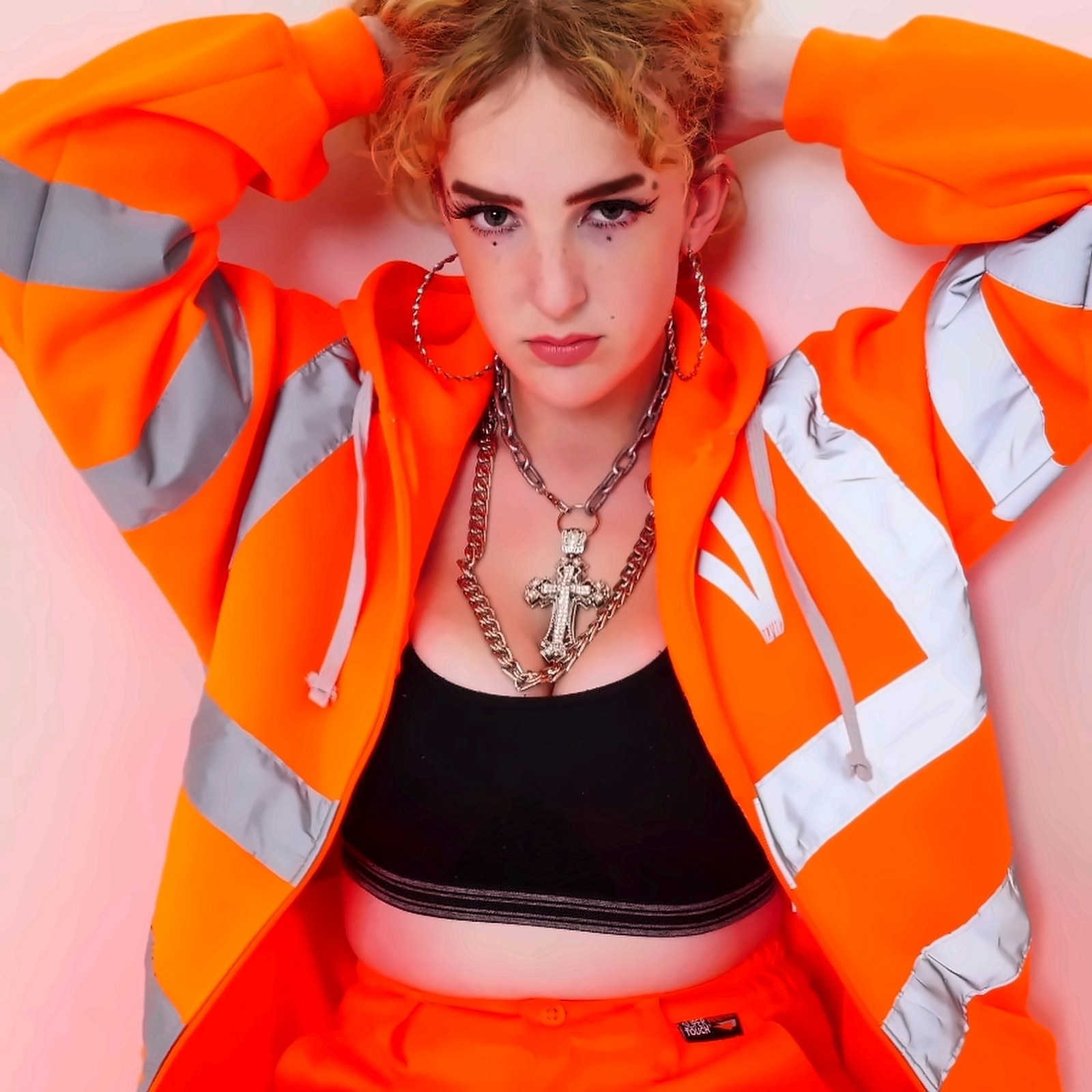
High-visibility clothing was designed for a simple job: make a body impossible to miss on a dark road or a worksite. In France in late 2018, that same fluorescent yellow field became something else — a shared surface for people who did not share a party, a union or a single demand. The garment that drivers were already required to carry in the car became the name of a movement: the gilets jaunes, or yellow vests.
This is not a story that collapses every protest into one politics, and it is not a product story dressed up as history. It is about how a piece of safety kit crossed into public life as a symbol of presence — and why streetwear keeps returning to the language of hi-vis and reflective detail.
November 2018: fuel, distance, the end of the month
Reporting at the time was consistent across major outlets. The spark was a planned rise in fuel taxes, presented by the government as part of a green transition, landing hard on households that drive because they have to. The Economist (27 November 2018) explained that rising world oil prices, combined with an increase in diesel tax that year, pushed pump prices to record highs — and that outside well-served cities many people drive long distances to work. The Guardian (3 December 2018) described a grassroots protest that began in early November against that planned tax rise and then widened into a broader anti-government movement. The BBC likewise placed the initial focus on a sharp increase in diesel taxes, then noted that the movement’s purpose expanded even after a government U-turn on fuel taxes failed to settle the anger.
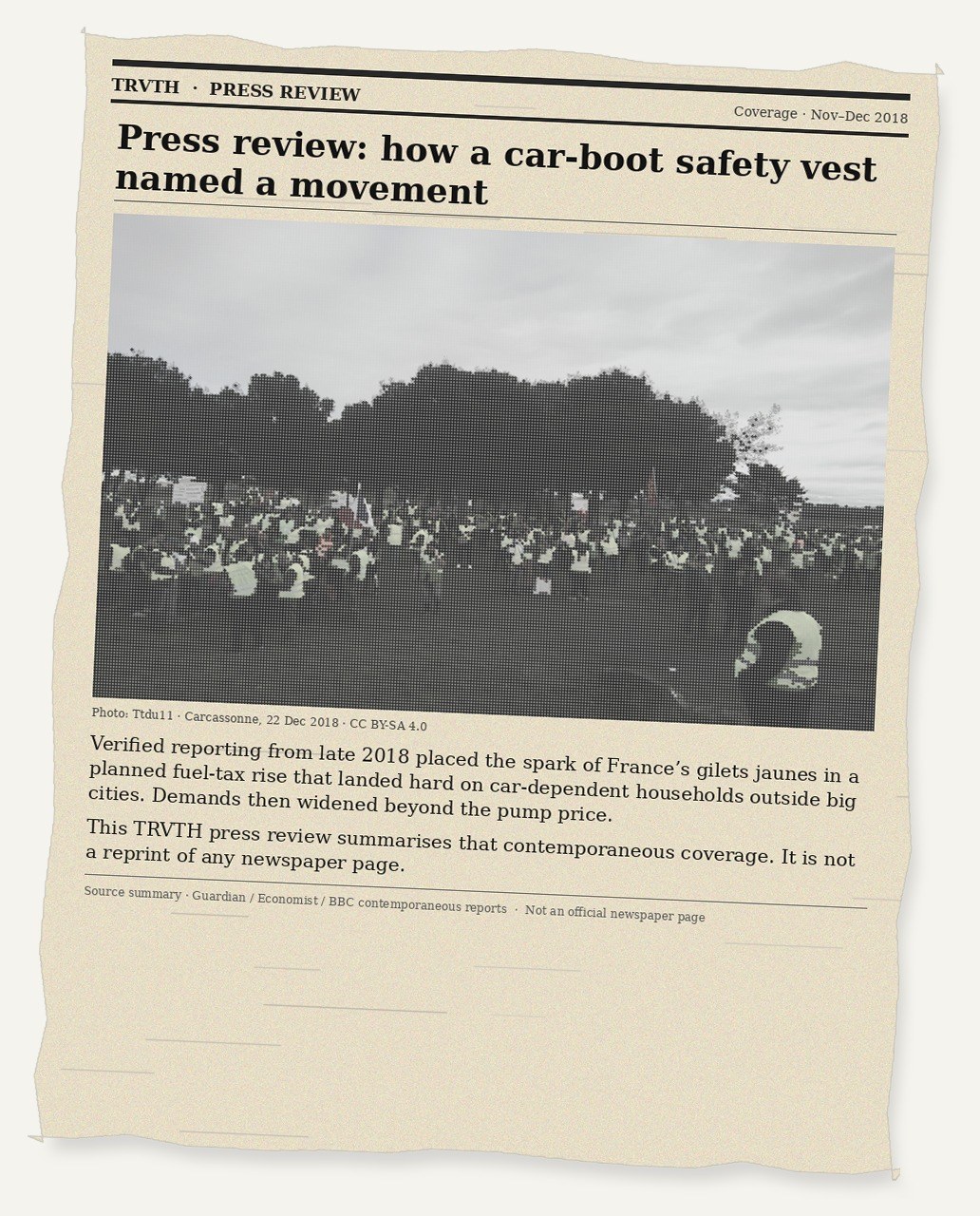
Institut Montaigne’s contemporaneous account traces the online build-up: a change.org petition on fuel prices launched by cosmetics seller Priscillia Ludosky; a call to demonstrate on 17 November by truck driver Éric Drouet; and a viral Facebook post by Jacline Mouraud. Local Facebook groups then helped organise a first national day of action. Demands broadened in phases — from fuel prices, to purchasing power, to deeper rejection of political elites — without a single coherent programme.
The geography mattered. This was not only a Paris street story. Roundabouts, toll booths and peri-urban roads — places where car dependence is daily life — were central to the early repertoire.
Why a yellow vest?
French road rules made the symbol almost absurdly available. Official guidance from Service-Public states that a high-visibility vest (gilet de haute visibilité) and a warning triangle are obligatory equipment in a car. The Code de la route’s article R. 416-19 is the legal home of that duty. You did not need a party warehouse. You needed the glovebox.
A movement without a single centre
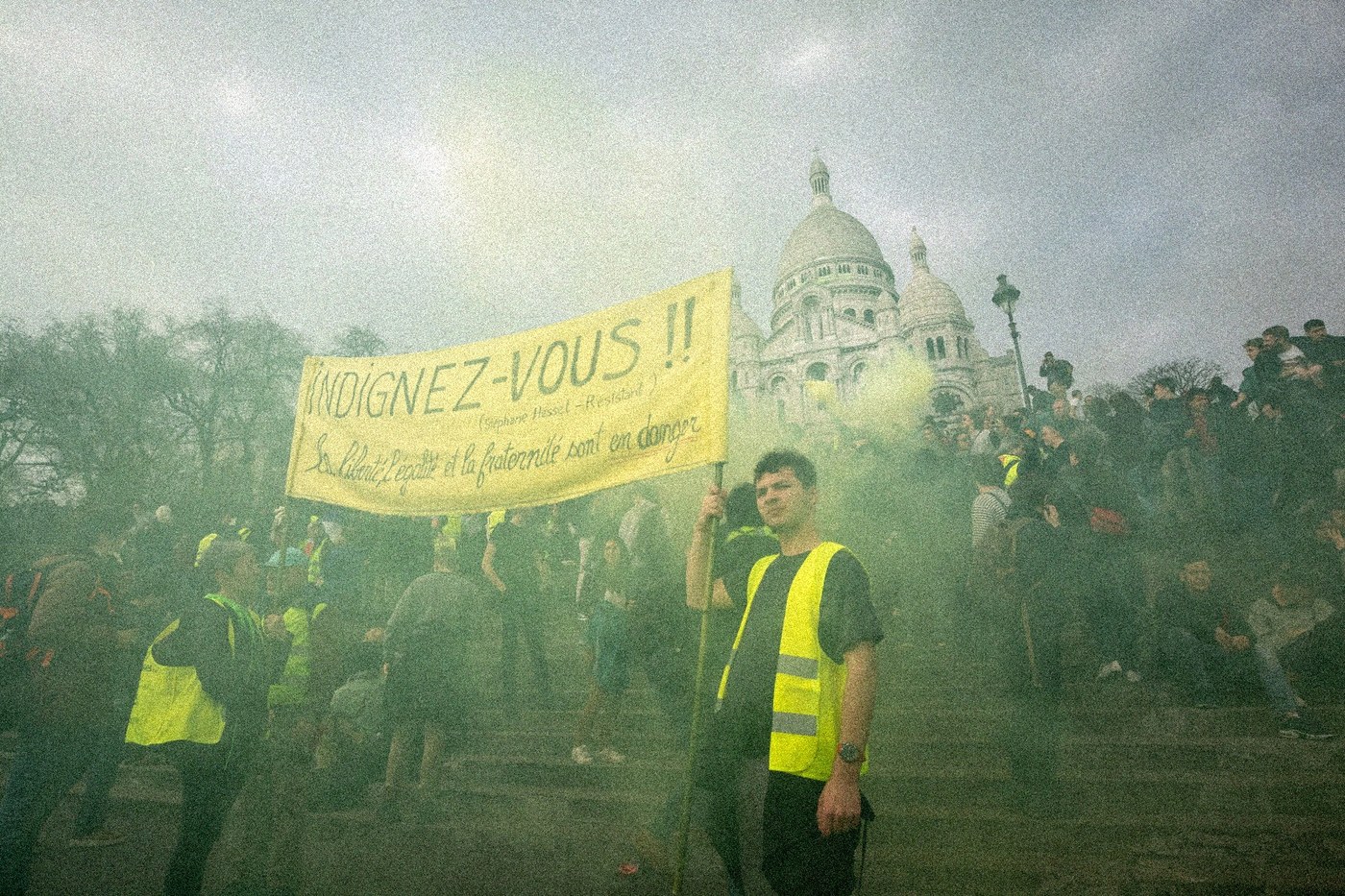
What followed was heterogeneous. BBC reporting stressed that the movement cut across age, job and region. A Frieze essay on the “slippery politics” of the jackets (December 2018) argued that the vest’s ambiguity was part of its power. The vest made a crowd legible to itself. It did not make every wearer agree.
Nor should a fashion essay romanticise confrontation. Road blockades, roundabout occupations, Saturday marches, and — in some cities — violent clashes are part of the historical record; they are not a mood board.
Beyond France — including the UK (2018–2019)
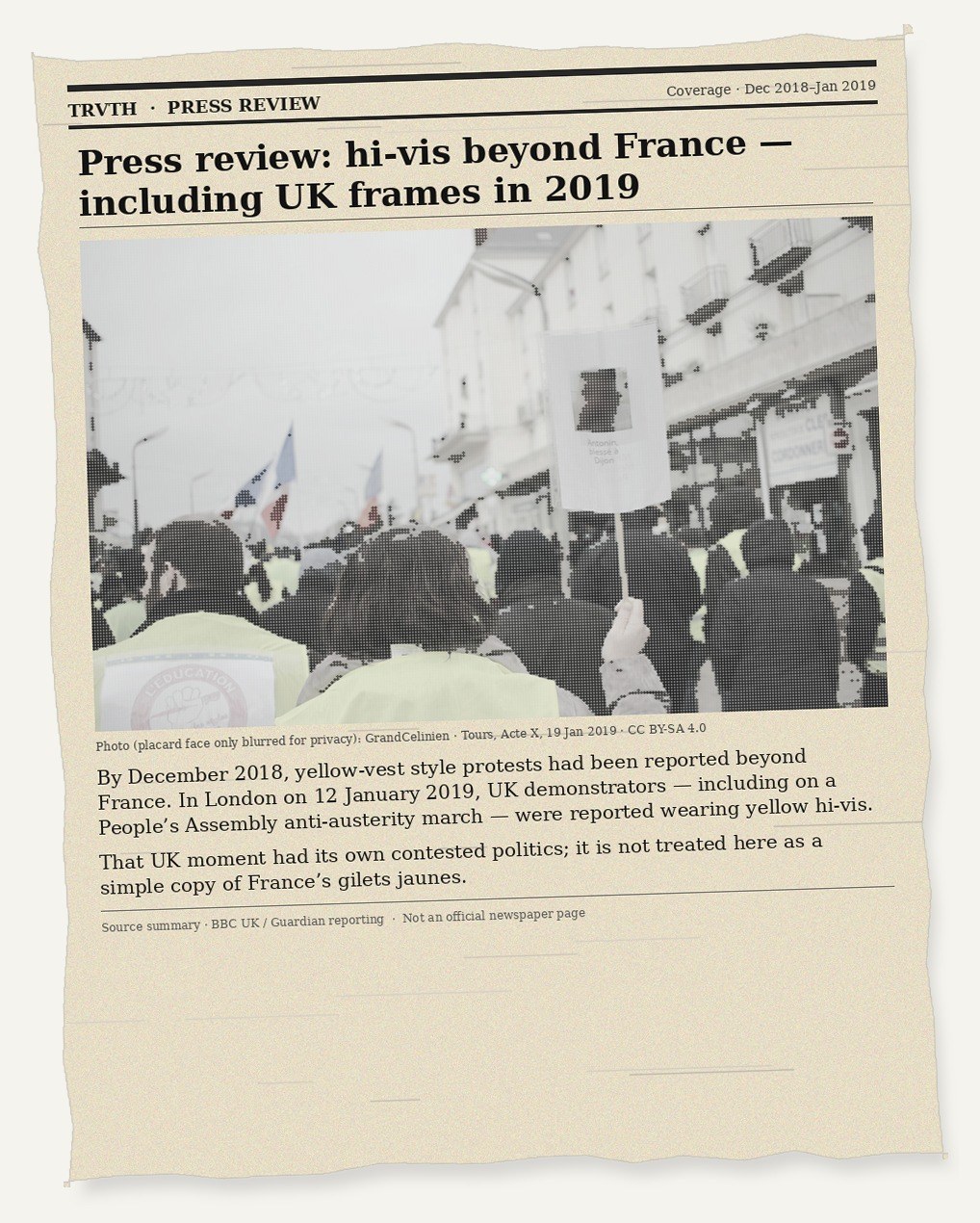
The Guardian (21 December 2018) tracked yellow-vest demonstrations appearing beyond France. In London on 12 January 2019, BBC and Guardian reported UK demonstrators — including a People’s Assembly anti-austerity march — wearing yellow hi-vis. That UK moment had its own contested politics; it is not a simple copy of France’s gilets jaunes, and it is not “today’s” marches in November 2026.
PPE grammar, fashion grammar
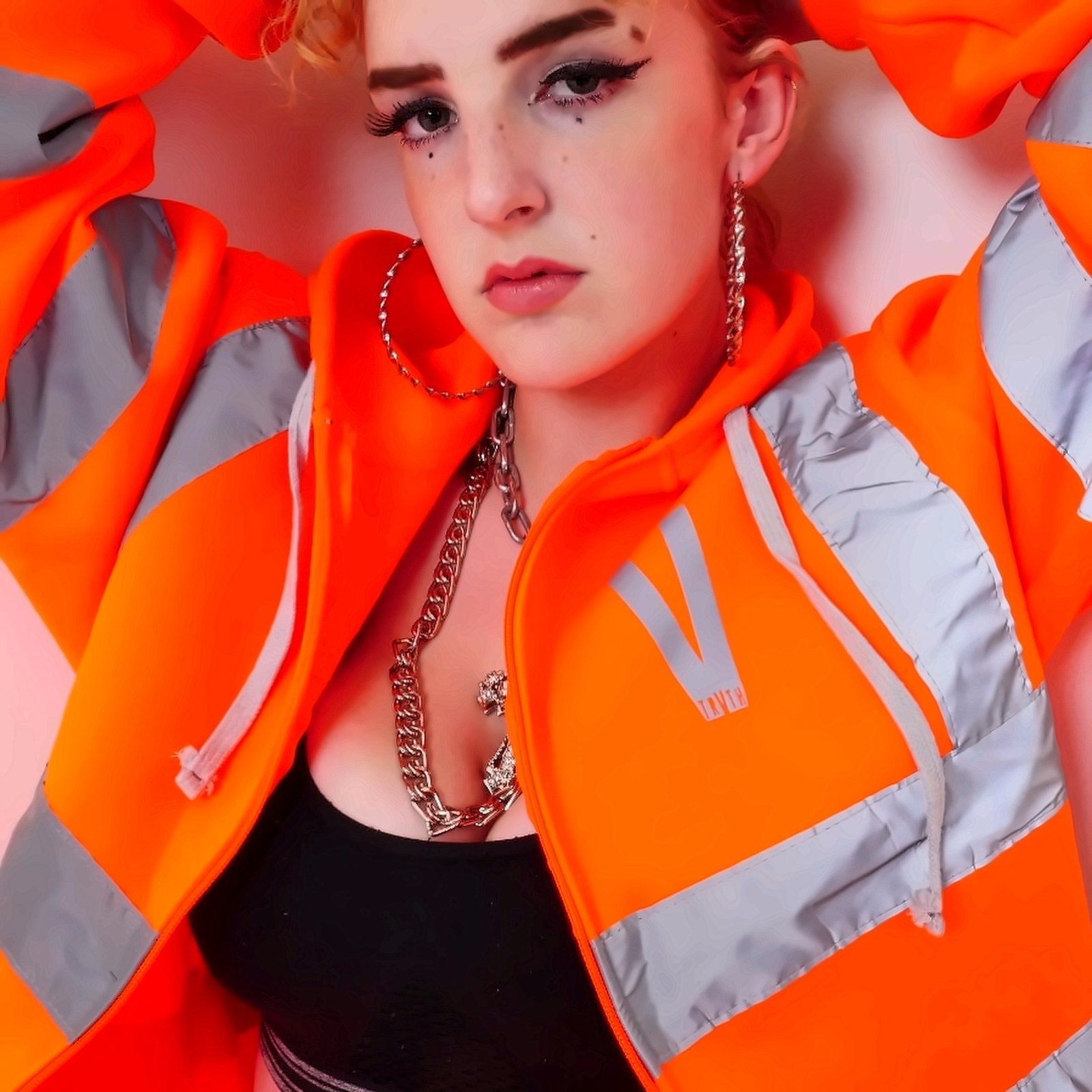
Fluorescence is the daytime shout; retro-reflective strips are the night answer. Fashion garments that borrow the look speak the language of visibility — they are not, by that fact alone, certified PPE. This article makes no certification claim about any streetwear piece.
An afterlife, carefully dated
On 16 November 2024, RFI reported about two hundred yellow-vest demonstrators in Paris for the movement’s sixth anniversary. That is a dated aftershock — not a claim that November 2026 marches look the same. By November 2026, 2018 remains the formative year.
TRVTH archive — and a range returning

TRVTH’s archive already spoke this grammar: fluorescent orange, reflective-looking bands, a tall V mark — workwear language cut into independent UK streetwear. A new reflective and hi-vis range is coming back soon. Exact drop date, silhouettes and materials will follow when ready.
Image & licence notes
- TRVTH archive (3 enhanced): brand originals; non-generative denoise/upscale/sharpen; logos preserved.
- Documentary: Montmartre (standalone) + Carcassonne/Tours inside press-review clippings — Wikimedia Commons CC BY / CC BY-SA; Tours placard face only blurred for privacy; Montmartre has a film-grain filter as a standalone documentary frame. Each documentary frame appears once.
- Press-review clippings (2): original TRVTH aged-newsprint layouts; not fake newspaper mastheads. Guardian/BBC agency stills remain linked only.
- Service-Public F19459
- The Economist — 27 Nov 2018
- The Guardian — 3 Dec 2018
- Guardian — beyond France, 21 Dec 2018
- Guardian — UK frames, 13 Jan 2019
- BBC — UK yellow vest protesters, 12 Jan 2019
- BBC — yellow vests explainer
- RFI — 16 Nov 2024
Published on TRVTH. Only the injured face on the Tours placard is blurred; standalone Montmartre carries film grain. Press-review clippings are original TRVTH editorial layouts.

